The horror-documentary genre, with its spine-chilling tales and blood-curdling narratives, has captivated audiences for centuries. Aspiring writers often find themselves drawn to the allure of crafting stories that send shivers down the spine and induce nail-biting suspense. But is horror documentary مستند ترسناک truly an easy genre to write? In this exploration, we will unmask the shadows and delve into the complexities and challenges of penning tales that haunt the imagination.
Navigating the Psychology of Fear:
At first glance, horror might seem like a straightforward genre. After all, it’s about scaring people, right? However, the heart of horror lies in the intricate navigation of the psychology of fear. Effective horror documentary goes beyond jump scares and gore; it taps into primal fears, exploits the unknown, and manipulates the audience’s emotions with finesse.
Understanding the nuances of fear, the anticipation of the unknown, and the psychological impact of horror requires a deep dive into human psychology. Writers must grasp how to elicit a visceral response from readers or viewers, playing on universal fears while maintaining a sense of originality. Navigating this psychological landscape is a challenge that demands both creativity and a profound understanding of human nature.
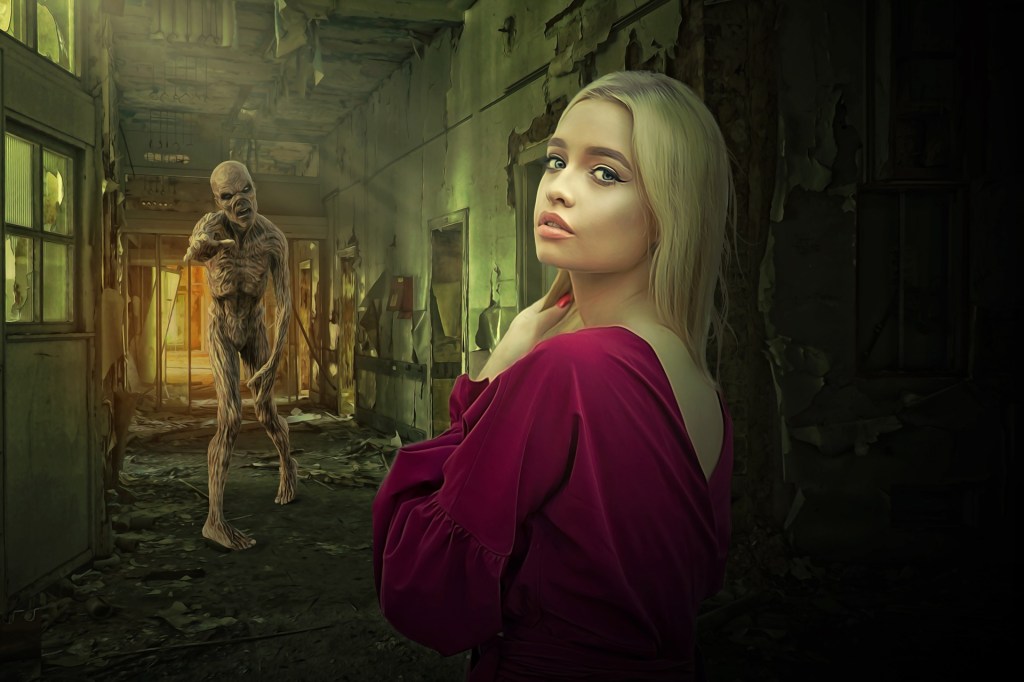
Creating Genuine Suspense:
One of the hallmarks of a successful horror story is the ability to sustain suspense. This isn’t merely about surprising the audience with a sudden shock; it’s about building and maintaining tension throughout the narrative. Crafting a plot that keeps readers or viewers on the edge of their seats requires careful pacing, strategic revelation of information, and a keen sense of timing.
To create genuine suspense, writers must master the art of withholding just enough information to keep the audience engaged. It’s a delicate balance, requiring the ability to control the release of tension, heightening anticipation without succumbing to predictability. The challenge lies in creating an experience that is both thrilling and unpredictable.
Balancing Horror Tropes and Originality:
The horror genre comes with its share of tropes and clichés – haunted houses, dark forests, supernatural entities, and more. While these elements can be effective when used judiciously, the real challenge lies in balancing the familiarity of these tropes with a fresh and original perspective.
Avoiding clichés or putting a unique spin on them requires a writer to navigate the thin line between homage and predictability. Striking this balance demands a creative mind that can breathe new life into well-worn themes, offering audiences something familiar yet unexpected.
Developing Complex Characters:
Regardless of the genre, well-developed characters are the beating heart of a compelling story. In horror documentary, the challenge is to create characters that not only serve the narrative but also evoke empathy and connect with the audience on an emotional level. Horror thrives when audiences care about the characters facing the terror, amplifying the impact of the scares.
Developing complex characters in a horror setting involves more than just providing them with a list of fears or vulnerabilities. It requires an exploration of their backgrounds, motivations, and relationships – elements that contribute to the audience’s investment in their fate. Juggling character development with the demands of a horror plot is a task that demands both storytelling prowess and an understanding of human psychology.
Maintaining Originality in Plot:
While a unique premise is crucial in horror, maintaining originality throughout the entire plot is a daunting task. Writers must constantly challenge themselves to subvert expectations, introduce unexpected twists, and avoid falling into the traps of predictability. Keeping the narrative fresh and engaging requires a commitment to innovation and a willingness to explore uncharted territories within the horror landscape.
Striking the delicate balance between adhering to genre conventions and introducing fresh elements demands a level of creativity that extends beyond mere scares. Crafting a plot that keeps audiences guessing while delivering on the promises of the horror genre is a challenge that separates the exceptional from the ordinary.
Playing with Atmosphere and Setting:
The atmospheric elements of a horror story – setting, mood, and tone – are critical in establishing the right environment for fear to thrive. While it may seem easy to describe a dark and eerie setting, creating an atmosphere that resonates with the intended emotions is an art that requires careful consideration.
Writers must use language effectively to evoke a sense of dread, whether it’s describing the creaking floorboards of an abandoned mansion or the oppressive silence of a moonlit forest. Crafting an immersive atmosphere demands a keen eye for detail and an understanding of how setting influences the overall impact of the horror narrative.
In unraveling the question of whether horror is easy to write, it becomes evident that the genre presents a unique set of challenges that require a skillful blend of creativity, psychology, and storytelling finesse. Navigating the psychology of fear, creating genuine suspense, balancing tropes with originality, developing complex characters, maintaining originality in plot, and playing with atmosphere and setting – these are the threads that weave the intricate tapestry of a successful horror story.
While horror documentary may not be easy to write, its inherent challenges also provide a fertile ground for writers to hone their craft and explore the depths of human emotion. It is in facing the shadows, embracing the unknown, and unmasking the fears that writers discover the true essence of horror storytelling – a journey that, despite its challenges, continues to captivate and terrify audiences around the world.
 Business Owner
Leave a comment